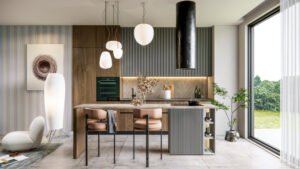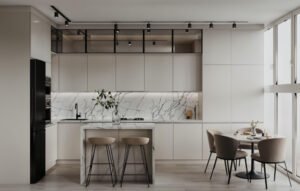

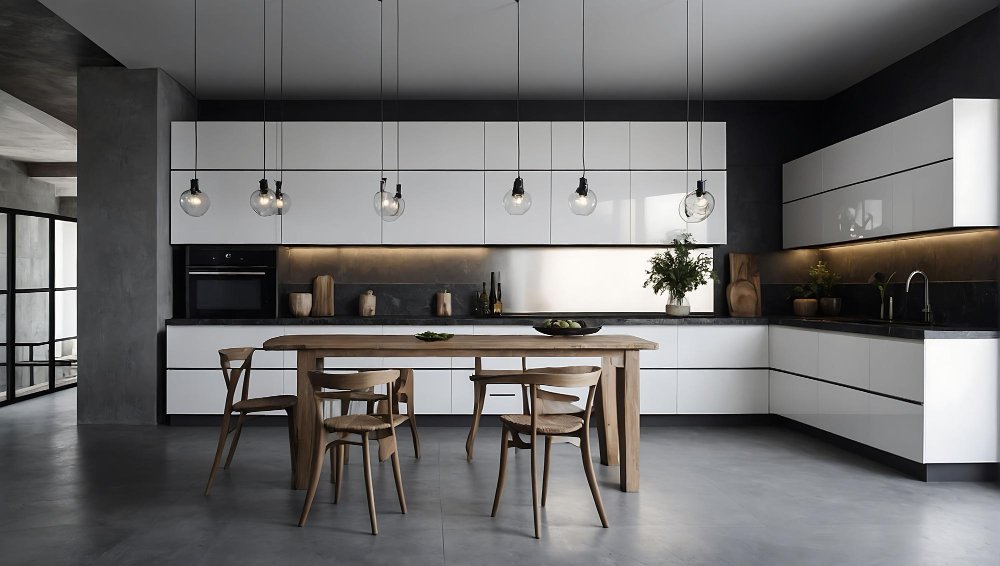
The kitchen is no longer just a space for cooking—it’s the heart of the modern home, where design meets function and family life flourishes. Today’s “kitchenry” reflects a balance of innovation, beauty, and efficiency. Whether you live in a downtown condo or a spacious suburban home, modern kitchen design transforms your everyday experience, blending artistry with utility in a way that elevates both your home’s value and your lifestyle.
The Evolution of the Modern Kitchen
Over the past few decades, kitchens have evolved from closed-off workspaces into open, social hubs. Homeowners now see the kitchen as a statement of taste and sophistication. This transformation was driven by a shift toward multifunctional living—spaces that adapt to cooking, entertaining, and even working from home. As a result, contemporary kitchen design embraces flow, light, and connectivity, both in layout and aesthetics.
Design Principles That Define Modern Kitchenry
Modern kitchen design is rooted in thoughtful simplicity. Clean lines, seamless surfaces, and ergonomic efficiency define the experience. But beneath this minimalism lies a deep understanding of human behavior—how people cook, gather, and move. A successful kitchen design merges art with engineering to make daily life easier and more enjoyable.
1. Function First
The best kitchens are designed around how they’re used. The “work triangle” concept—linking the stove, sink, and refrigerator—remains timeless, but today’s designs expand on it with zones. Dedicated areas for prep, cooking, cleanup, and dining ensure a natural flow that reduces clutter and stress.
2. Seamless Aesthetics
In modern homes, kitchen aesthetics extend beyond cabinetry and countertops. Integrated appliances, handle-free drawers, and hidden storage solutions maintain a sleek and uncluttered look. Neutral palettes—whites, greys, and warm woods—create a calming atmosphere, while accent colors and textures add depth and personality.
3. Lighting as a Design Element
Lighting shapes the mood and function of a kitchen. Layering ambient, task, and accent lighting ensures flexibility for every moment—from cooking dinner to hosting a late-night gathering. Pendant lights above islands, under-cabinet LEDs, and recessed ceiling fixtures bring both beauty and precision to the space.
Materials That Inspire Timeless Design
Modern kitchenry celebrates materials that are as practical as they are beautiful. Engineered quartz, porcelain, and natural stone are popular for countertops due to their durability and visual appeal. Cabinetry crafted from oak, maple, or walnut adds warmth and character, while matte finishes provide a sophisticated, contemporary edge. The blending of organic and industrial elements—like wood paired with metal or concrete—creates a balanced, tactile experience.
The Role of Technology in Modern Kitchenry
Smart kitchens are revolutionizing how we cook and live. Appliances now integrate Wi-Fi connectivity, voice control, and automation to simplify daily routines. Smart refrigerators track groceries, ovens preheat via smartphone, and faucets respond to touchless commands. Technology not only enhances convenience but also helps homeowners conserve energy and water, aligning modern design with sustainability.
Space Optimization for Every Home
Even small kitchens can feel spacious with strategic design choices. Open shelving, reflective surfaces, and integrated appliances minimize visual clutter. Multi-functional islands double as dining tables or workstations. The key is thoughtful spatial planning—every inch should serve a purpose, from hidden drawers to slide-out pantries.
Color Trends in Contemporary Kitchen Design
While white remains a classic choice, recent trends have embraced earthy tones and natural hues. Shades of sage, taupe, and soft black are making their way into cabinetry and backsplashes. Mixed materials—like marble paired with brass or wood contrasted with matte black hardware—create striking visual balance. Color in kitchenry is less about following trends and more about reflecting personality and lifestyle.
Connecting the Kitchen to the Rest of the Home
Open-concept layouts continue to define modern living. Kitchens now flow seamlessly into dining and living spaces, encouraging connection and communication. Consistency in flooring, lighting, and color palettes helps unify these areas. Glass partitions or sliding doors provide flexibility—offering openness when desired and privacy when needed.
The Sustainable Kitchen Movement
Sustainability is reshaping how kitchens are built and used. Eco-friendly materials, energy-efficient appliances, and waste-reducing designs are now mainstream. Homeowners are choosing cabinetry made from renewable wood sources, LED lighting, and water-saving fixtures. These choices not only protect the environment but also create healthier, longer-lasting homes.
The Human Element of Kitchen Design
At its core, modern kitchenry is about connection—to food, family, and creativity. A well-designed kitchen invites participation and makes daily routines enjoyable. Whether it’s a quiet morning coffee or a lively dinner party, the kitchen becomes a canvas for shared experiences. Design, in this sense, becomes personal—tailored to reflect who you are and how you live.
Final Thoughts
Modern kitchenry represents the perfect harmony of design, technology, and lifestyle. It’s about crafting a space that feels inviting, intelligent, and enduring. As the centerpiece of your home, your kitchen should be a reflection of both innovation and soul—a true heartbeat of design and daily life.