

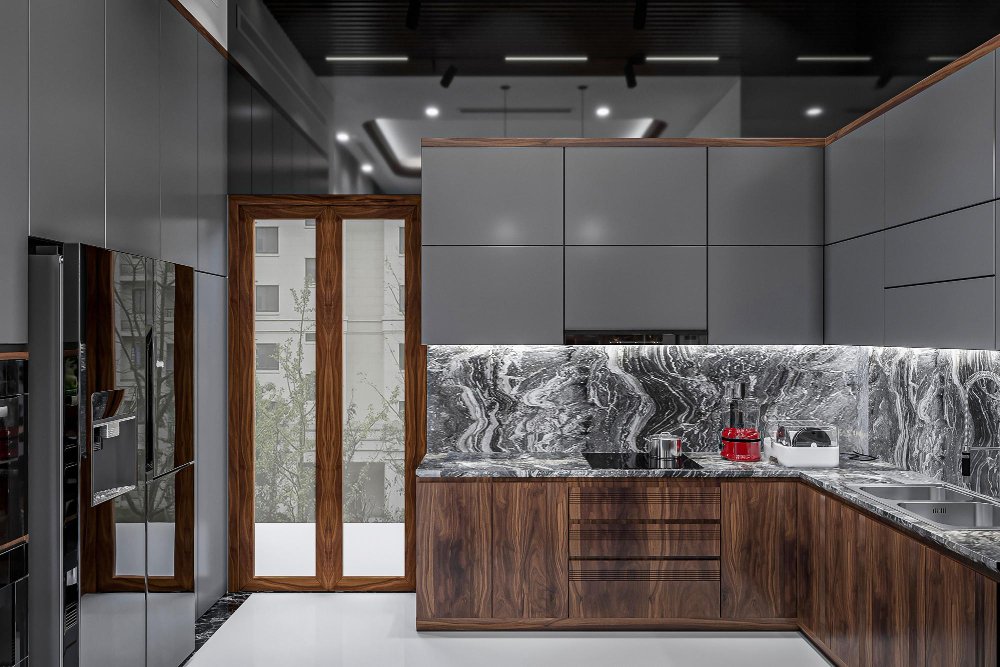
Granite Countertops have remained one of the most desirable kitchen upgrades for decades—and for good reason. Their natural beauty, exceptional durability, and one-of-a-kind patterns make them a favorite among homeowners who want a countertop that combines luxury with everyday practicality.
If you’re considering Granite Surface Countertops for your kitchen or bathroom remodel, this FAQ answers the questions homeowners ask most often before making their investment.
What makes Granite Countertops so popular?
Granite is a natural stone formed over millions of years, giving every slab a unique combination of colors, minerals, and veining. Unlike manufactured materials, no two granite countertops are exactly alike.
Homeowners appreciate granite because it offers:
- Exceptional natural beauty
- Excellent durability
- Heat resistance
- Strong resale appeal
- Timeless design that complements many kitchen styles
Quick Summary: Granite combines luxury aesthetics with long-term performance, making it one of the most trusted countertop materials available.
Are Granite Surface Countertops durable enough for busy kitchens?
Yes. Granite is one of the hardest natural stones used in residential construction, making it well suited for everyday cooking and food preparation.
When properly installed and maintained, granite resists heat, scratches, and normal household wear. While no countertop material is completely indestructible, granite performs exceptionally well in active family kitchens.
Using cutting boards and avoiding heavy impacts on edges will help preserve its appearance for many years.
Do granite countertops require sealing?
Most granite surfaces benefit from periodic sealing to help reduce moisture absorption and protect against staining.
How often sealing is required depends on the specific stone, its porosity, and daily use. Many homeowners only need professional sealing every few years.
A simple water test can often indicate whether resealing is needed. If water quickly absorbs into the surface instead of beading, it may be time for maintenance.
Quick Summary: Regular sealing helps preserve granite’s appearance and protects the natural stone from stains.
How do Granite Countertops compare with engineered quartz?
Both materials are premium countertop options, but they offer different advantages.
| Feature | Granite Countertops | Engineered Quartz |
|---|---|---|
| Appearance | Natural stone variation | Consistent patterns |
| Maintenance | Occasional sealing | Minimal maintenance |
| Heat Resistance | Excellent | Very Good |
Homeowners who value the uniqueness of natural stone often prefer granite, while those seeking lower maintenance may lean toward engineered quartz.
Which kitchen styles work best with granite?
One of granite’s greatest strengths is its versatility.
Granite Surface Countertops complement a wide variety of design styles, including:
- Traditional kitchens
- Modern farmhouse interiors
- Transitional designs
- Contemporary kitchens
- Luxury custom homes
Because granite is available in numerous colors and movement patterns, it pairs beautifully with painted cabinets, natural wood, or modern slab cabinetry.
Can granite increase home value?
Premium kitchen materials often improve buyer perception, and granite continues to be recognized as a desirable feature in residential real estate.
While no remodeling project guarantees a specific return, updated kitchens featuring quality countertops generally contribute to stronger market appeal.
Quick Summary: Granite is widely viewed as a premium upgrade that supports both everyday enjoyment and long-term property value.
How should Granite Surface Countertops be maintained?
Daily care is simple and requires only mild soap, warm water, and a soft cloth.
To keep granite looking its best:
- Clean spills promptly.
- Use cutting boards during food preparation.
- Avoid harsh chemical cleaners.
- Reseal the surface when recommended.
- Use trivets for extremely hot cookware when possible.
These simple habits help preserve both the finish and the natural beauty of the stone.
Why is professional installation important?
Granite slabs are heavy and require precise fabrication, transportation, and installation.
Professional installers carefully measure cabinetry, prepare support structures, create accurate sink and appliance cutouts, and ensure proper seam placement. Their expertise contributes to both the countertop’s appearance and long-term performance.
Improper installation can affect alignment, stability, and durability, making experienced craftsmanship an essential part of the investment.
What should homeowners consider before choosing granite?
Before selecting a slab, consider how your countertop will coordinate with cabinetry, flooring, backsplash materials, and lighting. Visiting a showroom allows you to compare multiple slabs and appreciate the natural variation that makes granite unique.
It’s also helpful to view full-sized slabs rather than relying solely on small samples, since veining and color movement become much more apparent across larger surfaces.
Quick Summary: Choosing granite is as much about selecting the right slab as it is choosing the material itself.
Bringing Natural Beauty into Your Home
Granite Countertops continue to be one of the most respected investments in kitchen remodeling because they combine timeless elegance, exceptional durability, and lasting value. Whether you’re creating a classic kitchen or a contemporary culinary space, Granite Surface Countertops provide natural beauty that remains impressive for decades.
With thoughtful material selection, professional installation, and simple routine maintenance, granite becomes much more than a work surface—it becomes a defining architectural feature that elevates the entire home.