
Your home’s exterior does much more than create a first impression. It protects your family from the elements, contributes to energy efficiency, and influences your property’s long-term value. Yet many homeowners postpone exterior remodeling until visible damage appears, allowing small issues to become larger and more expensive problems.
This guide explores the most common exterior remodeling challenges, why they occur, and the practical solutions that help homeowners create attractive, durable, and efficient homes.
The Problem
Many homes gradually lose curb appeal and energy efficiency because exterior materials deteriorate over time. Fading paint, aging siding, worn roofing, outdated windows, and neglected landscaping can make an otherwise well-maintained home appear older than it really is.
These problems rarely appear overnight. Instead, years of sun exposure, rain, seasonal temperature changes, and everyday wear slowly reduce both appearance and performance.
Common signs include:
- Cracked or faded siding
- Drafty windows and doors
- Peeling exterior paint
- Poor drainage around the home
- An outdated or uninviting entrance
- High heating and cooling costs
Weathered finishes, outdated materials, limited curb appeal, and rising maintenance requirements.
After
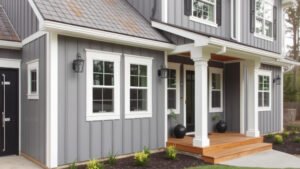
A refreshed exterior featuring durable materials, improved energy efficiency, coordinated architectural details, and a welcoming appearance.
Why It Happens
Exterior materials are constantly exposed to conditions that gradually reduce their performance. Intense sunlight can fade finishes, moisture may contribute to deterioration, and temperature fluctuations cause materials to expand and contract over time.
In many cases, outdated construction methods or aging products simply no longer meet today’s standards for durability and energy efficiency.
Another common factor is delayed maintenance. Small issues such as damaged caulking, worn weatherstripping, or minor siding damage may seem insignificant at first but often allow moisture infiltration that leads to larger repairs later.
Without a long-term maintenance strategy, homeowners frequently find themselves addressing multiple exterior issues simultaneously.
Common Mistakes
Many exterior remodeling projects fall short because homeowners focus on individual upgrades instead of viewing the exterior as one connected system.
Some of the most common mistakes include:
- Replacing only one exterior element while ignoring surrounding materials.
- Choosing products based solely on appearance.
- Ignoring insulation and energy efficiency.
- Delaying small repairs until major damage develops.
- Using materials that aren’t suited to the local climate.
- Hiring installers without extensive exterior remodeling experience.
Updating one component without considering siding, roofing, windows, trim, and drainage together often produces inconsistent results and reduces long-term performance.
The Solution
Approach exterior remodeling as a complete home improvement strategy rather than a series of unrelated projects. Coordinating materials, colors, architectural details, and energy-efficient upgrades creates a more durable and visually cohesive home.
Successful exterior remodeling often combines multiple improvements that complement one another, including:
- Modern siding or fresh exterior finishes
- Energy-efficient windows and entry doors
- Updated roofing materials
- Improved exterior lighting
- Landscaping and hardscape enhancements
- Garage door replacement
An exterior with disconnected upgrades, inconsistent finishes, and aging materials.
After
A unified design where siding, roofing, windows, doors, landscaping, and lighting work together to improve both beauty and performance.
Best Practices
The most successful remodeling projects combine careful planning with quality materials and experienced installation.
Follow these best practices:
- Evaluate the entire exterior before beginning renovations.
- Prioritize structural repairs before cosmetic improvements.
- Select durable, low-maintenance materials.
- Coordinate colors and finishes throughout the home.
- Improve insulation whenever exterior components are replaced.
- Work with experienced remodeling professionals.
- Develop a long-term maintenance plan after installation.
Exterior remodeling is most successful when every improvement supports the next. By combining thoughtful design, durable materials, and expert craftsmanship, homeowners create exteriors that remain attractive, energy efficient, and easier to maintain for years to come.